Before You Spin: How a Simple Pre-Session Ritual Can Sharpen Your Game

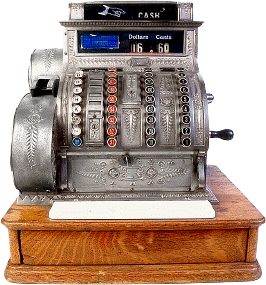
Photo: Daniel Hernández Morillo, Public domain, via Wikimedia Commons
Most casual players treat a gaming session the same way they treat grabbing a snack — impulsively, without much thought, whenever the mood strikes. You've got five minutes, you pull up Spin123, and suddenly thirty minutes have disappeared. Sound familiar?
There's nothing wrong with spontaneous play. But here's the thing: the players who consistently walk away feeling good about their sessions — whether they've won, lost, or broken even — tend to have something in common. They show up prepared. Not in a rigid, joyless way. More like how a baseball player adjusts their batting gloves before stepping into the box, or how a poker player takes a breath before the cards are dealt. It's a small act with a surprisingly big psychological payoff.
Let's unpack why your pre-game routine deserves a little more attention.
The Psychology of Ritual (And Why It's Not Just Superstition)
Here's where it gets interesting. Researchers have found that pre-performance rituals — even ones that seem arbitrary — can genuinely improve focus and reduce anxiety. A study published in Psychological Science found that people who performed self-chosen rituals before a challenging task reported lower anxiety and performed better than those who didn't. The ritual itself isn't magic. The consistency is.
When you repeat a specific sequence of actions before a session, your brain starts to associate that sequence with a particular mindset. Think of it like a mental loading screen — your brain is buffering into "game mode." Lucky charms, a specific playlist, even sitting in the same chair — none of these things influence the RNG on a slot game. But they absolutely can influence you. And you, it turns out, matter a lot.
The difference between superstition as strategy (bad) and ritual as mental preparation (genuinely useful) comes down to what you believe the ritual is doing. If you think your rabbit's foot is changing the odds, that's magical thinking. If you use it as a grounding anchor that signals "okay, I'm focused now," that's a legitimate psychological tool.
What a Good Pre-Game Routine Actually Looks Like
There's no universal template here — your routine should feel natural, not like homework. But there are a few elements that tend to show up in the habits of players who report the most consistent, enjoyable sessions.
Set a budget before you open the app. This sounds painfully basic, but it's the single most important pre-game step. Decide on your session limit before you're in the excitement of play. Once you're mid-spin, your brain's reward system is activated, and that's not the ideal moment for clear financial thinking. Thirty seconds of decision-making before you start saves you from a lot of regret later.
Check in with your headspace. Are you tired? Frustrated from work? Emotionally wound up? Studies in behavioral economics consistently show that people make worse decisions when they're stressed or emotionally depleted. A quick honest self-check — literally just asking yourself "how am I feeling right now?" — can tell you whether this is a good time to play at all, or whether you'd be better off waiting an hour.
Pick your game intentionally. Rather than defaulting to whatever's on the front page, take thirty seconds to think about what kind of experience you actually want. High-variance slots with big jackpot potential? Lower-volatility games with more frequent smaller wins? A specific theme that you're just in the mood for? Choosing with intention means you're less likely to drift aimlessly through games and more likely to actually enjoy what you're playing.
Create a small sensory anchor. This is where personal ritual lives. Some players always make a specific drink before they play. Some put on the same playlist. Some take three slow breaths. Whatever it is, the goal is a consistent cue that tells your nervous system: this is game time, I'm present, I'm ready. Over time, that cue becomes genuinely effective at shifting your mental state.
Timing Is a Real Factor
Ask experienced players when they play best, and you'll get surprisingly consistent answers. Most people identify a specific window — usually an hour or two — when they feel most alert, most patient, and most in control. For some, that's a quiet weekday evening. For others, it's a lazy Sunday afternoon.
This isn't mysticism. It's basic chronobiology. Your cognitive performance, attention span, and impulse control all fluctuate throughout the day based on your personal sleep cycle and energy rhythms. Playing during your personal peak window doesn't change what the slot machine does. It changes what you do — how patiently you stick to your budget, how clearly you read the paytable, how quickly you recognize that you're tilted and need to stop.
Spend a couple of weeks noting what time of day you feel sharpest and most relaxed. Then try scheduling your Spin123 sessions around those windows. It's a low-effort adjustment with a surprisingly noticeable impact.
The "Ready to Play" Checklist
If you want to start building your own pre-session ritual, here's a simple five-point checklist to work from:
- Budget set? Know your session limit before you open the game.
- Headspace check? Honest assessment of your emotional state.
- Game chosen? Intentional selection based on what you actually want from this session.
- Distractions minimized? Notifications silenced, environment reasonably comfortable.
- Anchor cue performed? Your personal ritual — drink made, playlist on, whatever works for you.
The whole process takes maybe two minutes. But those two minutes shift you from reactive to intentional. And in a game built on chance, being intentional about the things you can control is the closest thing to a real edge that any player has.
The Bottom Line
Spinning is supposed to be fun. The pre-game routine isn't about turning casual play into a second job — it's about protecting the fun. When you show up prepared, you're less likely to overspend, less likely to chase losses, and more likely to actually enjoy the experience regardless of the outcome.
Your lucky charm isn't changing the reels. But if it helps you feel calm, focused, and present? That's not nothing. That might actually be everything.