Cold Weather, Hot Spins: How the Winter Season Secretly Changes the Way You Play
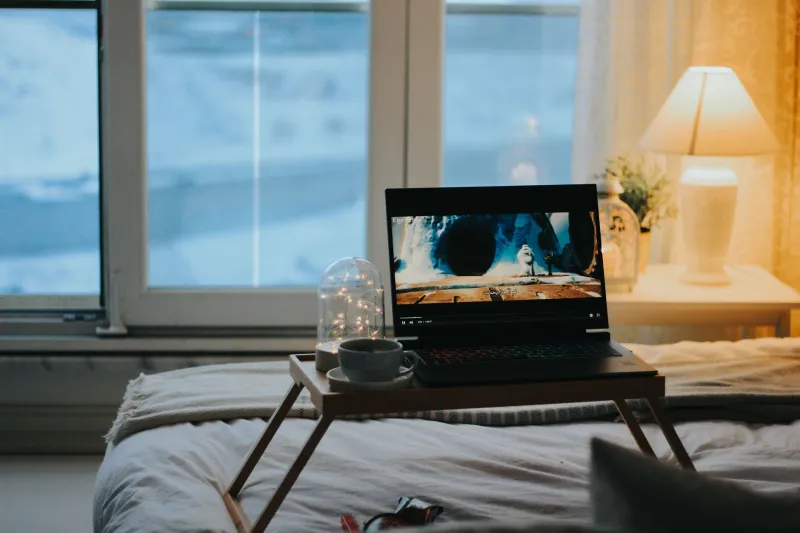
There's something about pulling up Spin123 on a gray January afternoon that hits differently than a breezy July evening session. The vibe is off. Maybe your patience is thinner. Maybe you're chasing wins harder than usual. Or maybe — weirdly — you're playing it safer than you ever do in summer.
If any of that sounds familiar, you're in good company. A growing body of research on behavioral psychology and seasonal mood patterns suggests that the time of year genuinely shapes how we make decisions, take risks, and process reward. For casual players, that translates directly to the spinning floor.
Let's dig into what's actually going on — and more importantly, what you can do about it.
Why Your Brain Feels Different in Winter
Seasonal Affective Disorder (SAD) gets a lot of press, but you don't need a clinical diagnosis to feel winter's psychological weight. Studies consistently show that reduced daylight hours lower serotonin production in a significant portion of the population, which affects mood, motivation, and — here's the key part — risk tolerance.
When serotonin dips, dopamine becomes a bigger player in how we chase pleasure. And dopamine, as any neuroscience enthusiast will tell you, is deeply tied to reward-seeking behavior. Translation: in winter, a lot of players subconsciously lean harder into the thrill of the spin because their brain is working overtime to manufacture those feel-good moments that sunlight and social activity normally provide for free.
This isn't a character flaw. It's biology. But understanding it gives you a real edge.
The Games Players Gravitate Toward (And Why)
Talk to long-time Spin123 regulars and a pattern emerges pretty quickly. During summer months, players tend to spread their sessions across a wider variety of games — lighter titles, faster formats, shorter bursts of play. There's an almost vacation-like energy to it.
Winter is a different story. Players report gravitating toward deeper, more immersive slot experiences. The kind with layered bonus rounds, story-driven themes, and longer session potential. It makes intuitive sense: when you're stuck inside with nowhere to be, a game that rewards patience and sustained attention feels more satisfying than a quick-hit spinner.
One player from Ohio who's been active on Spin123 for three years put it this way: "In summer I'm in and out. I'll do twenty spins, cash out, go do something. In winter I find myself in these long sessions. I'm more invested. I'm also more likely to tilt if things go sideways."
That last part — the tilt factor — is worth paying attention to.
The Tilt Problem: Why Winter Sessions Can Go Sideways Fast
Tilting (playing emotionally rather than strategically after a bad run) happens year-round, but the conditions for it are more favorable in winter. Lower baseline mood, fewer outside distractions, and longer sessions create a perfect storm for decision-making that you'd never stand behind in July.
When you're cozy under a blanket at 9 PM with nothing else on the schedule, the temptation to chase a loss feels way more manageable than it actually is. The cost of "just a few more spins" seems lower. Your internal stop signals get quieter.
Behavioral researchers call this "decision fatigue amplified by environmental monotony." We call it the January spiral. Either way, it's real, and recognizing it is the first step toward keeping your sessions smart.
Adapting Your Strategy as the Calendar Turns
So what does smarter winter play actually look like? Here are a few concrete adjustments worth considering:
Set a hard session timer before you start. This is good advice year-round, but it's especially critical in winter when external time cues (sunlight, plans, social obligations) are fewer. A 45-minute timer on your phone isn't a buzzkill — it's a boundary that keeps the fun from curdling into frustration.
Recalibrate your bankroll expectations. If you know you're more emotionally invested during winter sessions, it's worth tightening your per-session budget slightly. Not because you're less capable, but because the conditions for impulsive decisions are stronger. Give your future self a little extra protection.
Rotate your game selection intentionally. If you notice yourself defaulting to the same high-volatility slots every winter evening, break the pattern. Mixing in some lower-variance games — ones that deliver smaller, more frequent wins — can help maintain positive momentum without feeding the dopamine chase loop.
Check in with your mood before you log in. This sounds almost too simple, but it's genuinely useful. If you're already feeling frustrated, restless, or low-energy, that's a signal to either skip the session or set extra-conservative limits. Gaming on emotional fumes almost never ends well.
Do Certain Games Actually Perform Differently by Season?
This is where things get interesting. While the math behind any given slot doesn't change based on the weather outside, player behavior absolutely does — and that creates patterns worth knowing about.
During winter months, player activity on platforms like Spin123 tends to spike on weekday evenings and weekend afternoons, particularly in colder states like Minnesota, Wisconsin, Michigan, and the Dakotas. The player pool is larger during these windows, which affects leaderboard dynamics, tournament competition, and even the social energy of community features.
If you're a competitive player, winter tournaments can actually be a strong opportunity — provided you're entering them with a clear head and a solid strategy rather than a cabin-fever desperation to win something. The field is bigger, but so is the potential payoff for disciplined play.
The Silver Lining of Playing in the Cold
Here's a reframe that might surprise you: winter, for all its psychological friction, can actually be a great time to develop as a player — if you approach it right.
Longer sessions mean more reps. More reps mean more pattern recognition. If you're paying attention, those extended winter evenings on Spin123 can teach you a lot about your own tendencies — where your patience breaks, which game formats genuinely suit your style, and how your decision-making shifts under pressure.
The players who come out of winter sharper are usually the ones who treated the season as a practice ground rather than a pressure cooker.
Play the Season, Don't Let It Play You
The winter gaming slump is real, but it doesn't have to define your play. Once you understand that seasonal psychology is quietly pulling levers in the background, you can start making choices that work with your mental state instead of against it.
Spin123 is always going to be there when the temperature drops and the couch is calling. The question is whether you show up as a player with a plan — or just someone spinning in the dark hoping something good happens.
Set your timer. Know your limits. And maybe put on a good playlist. Winter sessions can absolutely be some of the most enjoyable ones you'll have all year. You just have to play them on your terms.